

7 Warning Signs Your Septic Tank Needs Pumping in Jacksonville, FL
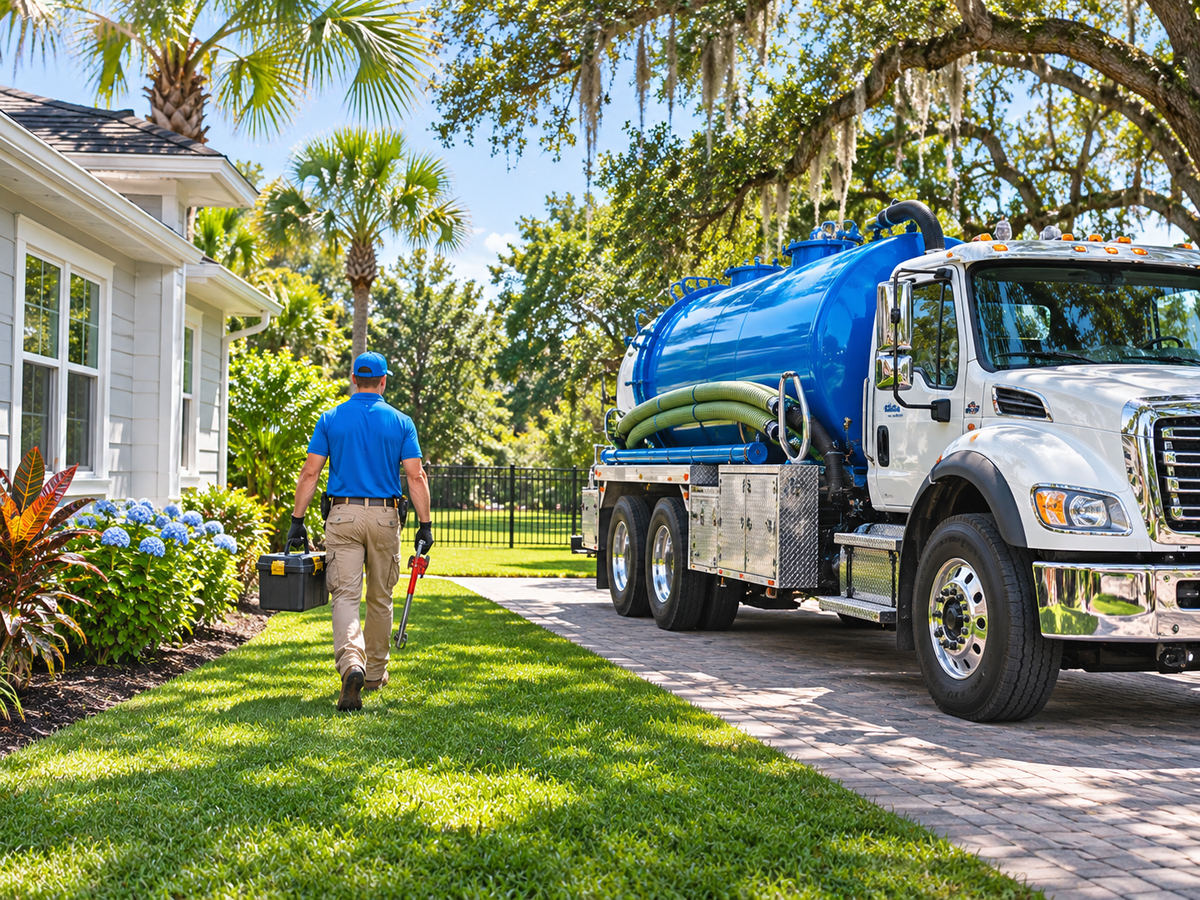
Your septic system works quietly behind the scenes, handling wastewater from your home’s bathrooms, kitchen, laundry, and plumbing fixtures. Most homeowners rarely think about their septic tank until something goes wrong. Unfortunately, ignoring the early warning signs of a septic problem can lead to unpleasant backups, property damage, and expensive repairs.
If you own a home in Jacksonville or the surrounding Northeast Florida communities, understanding when your septic tank needs attention is an important part of maintaining your property.
At Dr. Poo Sanitation Solutions, we provide professional septic tank pumping, inspections, maintenance, repairs, and installation services throughout Jacksonville and Northeast Florida. Our experienced team helps homeowners identify potential septic problems and determine the appropriate solution before minor concerns become major disruptions.
While several common symptoms may indicate that your septic tank is overdue for pumping, they can also signal problems elsewhere in the wastewater system. Here are seven warning signs you should never ignore.
1. Slow Drains Throughout Your Home
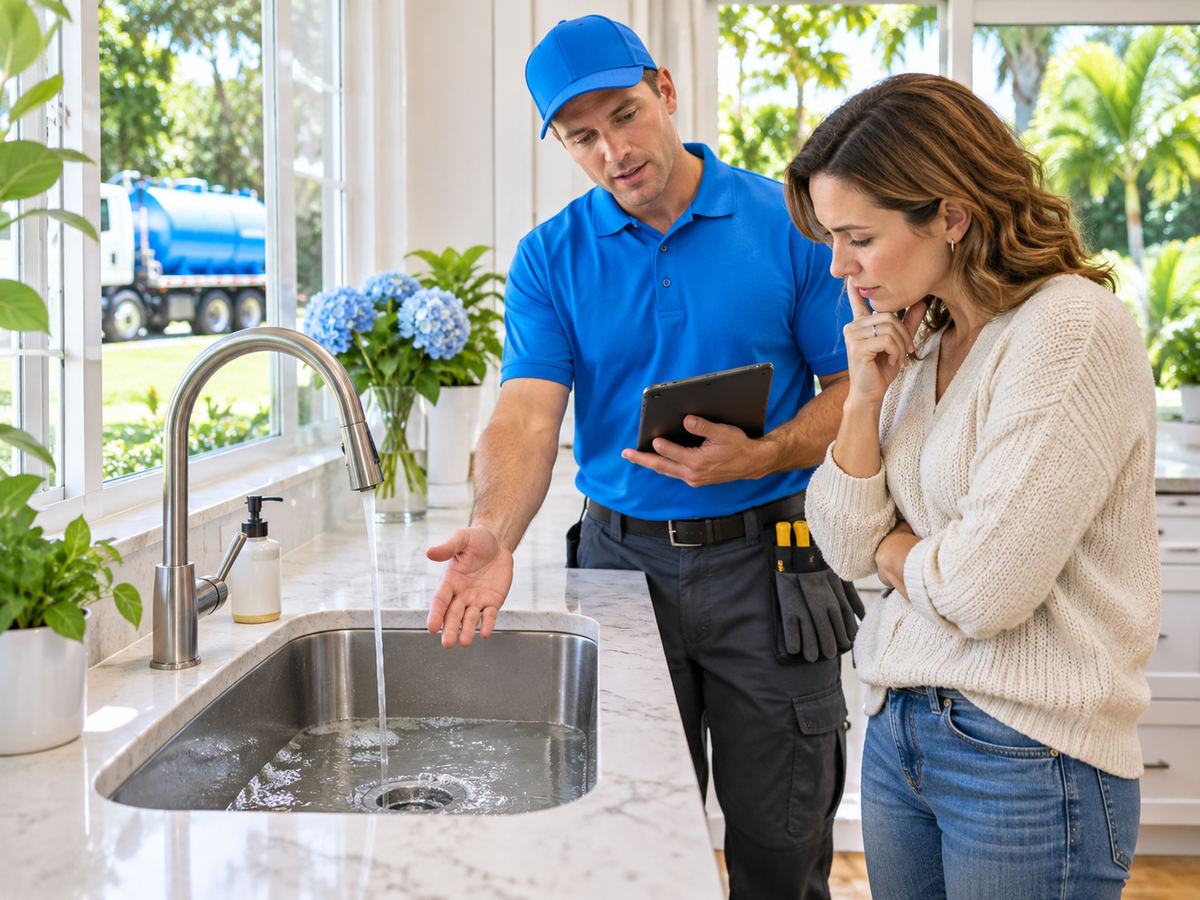
One of the most common warning signs of a potential septic system problem is slow drainage from multiple plumbing fixtures.
If water takes longer than usual to drain from your kitchen sink, bathroom sinks, showers, or bathtubs, your wastewater system may not be processing water efficiently.
A single slow drain may result from a localized plumbing blockage. However, when several fixtures throughout the house begin draining slowly, the problem could involve your septic tank, main sewer line, or drain field.
Over time, solid waste accumulates inside a septic tank. When sludge and scum levels become excessive, they reduce the available treatment capacity and can increase the risk of solids moving into downstream components.
Professional septic pumping removes accumulated solids and helps maintain the tank’s intended operating capacity.
If multiple drains are becoming sluggish, schedule an evaluation through our residential septic pumping and maintenance services in Jacksonville.
2. Gurgling Sounds Coming From Toilets and Drains
Have you noticed unusual bubbling or gurgling sounds when flushing your toilet or running water down the sink?
These sounds may indicate that wastewater is encountering resistance as it moves through your plumbing and septic system.
Gurgling can occur when air becomes trapped or displaced within drainage pipes. Possible causes include plumbing obstructions, venting problems, or wastewater system conditions that interfere with normal drainage.
Pay attention if you notice:
- Gurgling sounds when flushing toilets.
- Bubbling noises from bathroom or kitchen drains.
- Unusual sounds after running the washing machine.
- Water rising unexpectedly in nearby plumbing fixtures.
- Drainage problems occurring in multiple areas of the home.
Although gurgling does not automatically mean your septic tank needs pumping, it is a warning sign worth investigating.
A professional inspection can help determine whether the issue involves accumulated solids, a plumbing obstruction, or another septic system component.
3. Unpleasant Sewage Odors Inside or Outside Your Home
A properly functioning septic system should not routinely produce strong sewage odors around your home or outdoor living spaces.
If you notice persistent wastewater odors near drains, toilets, the septic tank, or the drain field, your system may be experiencing a problem.
Odors can develop when wastewater is not moving or being treated as intended. Excessive tank solids, plumbing issues, damaged components, or drain field problems may contribute to unpleasant smells.
Jacksonville’s warm temperatures and humid conditions can make persistent outdoor odors especially noticeable.
Common locations where homeowners may detect septic-related odors include:
- Bathrooms and laundry rooms.
- Kitchen and utility drains.
- Areas surrounding the septic tank.
- Low-lying areas near the drain field.
- Outdoor spaces where wastewater may be accumulating.
Occasional plumbing odors can have several causes, but recurring sewage smells should not be ignored.
Professional septic service can help identify the source of the problem and determine whether pumping, maintenance, or additional work is necessary.
4. Standing Water or Soggy Ground Near Your Septic System
Unexpected standing water or persistently soggy ground around your septic tank or drain field can indicate a potentially serious wastewater system problem.
When a septic system cannot properly process and disperse wastewater, moisture may accumulate near the ground surface.
Possible contributing factors include excessive water usage, a saturated drain field, high groundwater levels, or other system malfunctions.
This is particularly important in Northeast Florida, where seasonal rainfall and naturally high groundwater conditions can affect wastewater treatment systems.
Homeowners should pay attention to:
- Standing water near the septic tank or drain field.
- Ground that remains wet despite several days without rain.
- Soft or unusually spongy soil around septic components.
- Unexplained wet patches accompanied by sewage odors.
- Wastewater appearing at the ground surface.
Standing water does not necessarily mean that pumping alone will correct the issue. Drain field conditions and other system components may need professional evaluation.
If you suspect sewage is reaching the surface, avoid direct contact with the affected area, keep children and pets away, reduce water usage, and contact a septic professional promptly.
5. Unusually Green or Fast-Growing Grass Over the Drain Field
Florida homeowners take pride in maintaining attractive lawns, but an unusually green patch of grass near your septic system is not always a good sign.
If the grass above your drain field looks significantly greener, thicker, or grows faster than surrounding areas, it may indicate that additional moisture or nutrients are reaching the soil.
Septic drain fields are designed to disperse treated wastewater into the surrounding soil, where additional natural treatment occurs.
However, an overloaded or malfunctioning system can result in excessive moisture and nutrients accumulating near the surface.
Watch for grass that:
- Remains noticeably greener during dry weather.
- Grows faster than nearby areas of the lawn.
- Appears unusually thick directly above the drain field.
- Is accompanied by persistent dampness or sewage odors.
Healthy grass alone does not indicate a septic problem. However, unexplained changes in vegetation combined with other symptoms may warrant an inspection.
For homeowners throughout Jacksonville, Orange Park, St. Augustine, and surrounding communities, periodic septic maintenance can help identify potential concerns before system performance deteriorates.
6. Wastewater Backing Up Into Toilets, Showers, or Sinks
A sewage backup is one of the most serious warning signs that your septic system needs immediate professional attention.
When wastewater cannot move properly through the plumbing and septic system, it may begin backing up into household fixtures.
Common examples include:
- Wastewater rising into a bathtub or shower.
- Toilets overflowing or backing up repeatedly.
- Dirty water appearing in floor drains.
- Wastewater entering the home after using the washing machine.
- Multiple plumbing fixtures backing up simultaneously.
These situations can create sanitation hazards and damage flooring, walls, furnishings, and personal belongings.
If sewage begins backing up into your home, stop unnecessary water usage immediately. Avoid using additional plumbing fixtures and keep people and pets away from contaminated areas.
Do not attempt to open or enter a septic tank yourself. Septic tanks can contain dangerous gases and other serious hazards.
Contact an experienced septic professional to evaluate the problem and determine the appropriate corrective action.
Dr. Poo provides septic inspections, pumping, maintenance, and repair services throughout Northeast Florida, helping homeowners address wastewater problems with professional equipment and experienced technicians.
7. It’s Been More Than Three to Five Years Since Your Last Septic Pumping
Perhaps the most important sign that your septic tank may need pumping is simply that you cannot remember the last time it was serviced.
According to the U.S. Environmental Protection Agency, most residential septic tanks should generally be pumped every three to five years, although the appropriate schedule depends on the system and household.
Florida health guidance also recommends regular septic tank inspection and pumping to help maintain system performance.
Several factors influence how frequently a septic tank needs pumping:
- Household size: More occupants typically generate more wastewater and solid waste.
- Septic tank capacity: Smaller tanks may require more frequent maintenance.
- Daily water consumption: Heavy water usage can affect system performance.
- Garbage disposal usage: Food waste entering the tank can increase the accumulation of solids.
- System design: Alternative treatment systems may have additional inspection and maintenance requirements.
- Maintenance history: Previous pumping records help establish an appropriate service schedule.
Waiting until your septic system develops obvious problems is not an effective maintenance strategy.
Routine pumping can help prevent excessive solids from accumulating and reduce the likelihood of downstream system problems.
If you’re unsure when your tank was last pumped, scheduling an inspection is a practical first step.
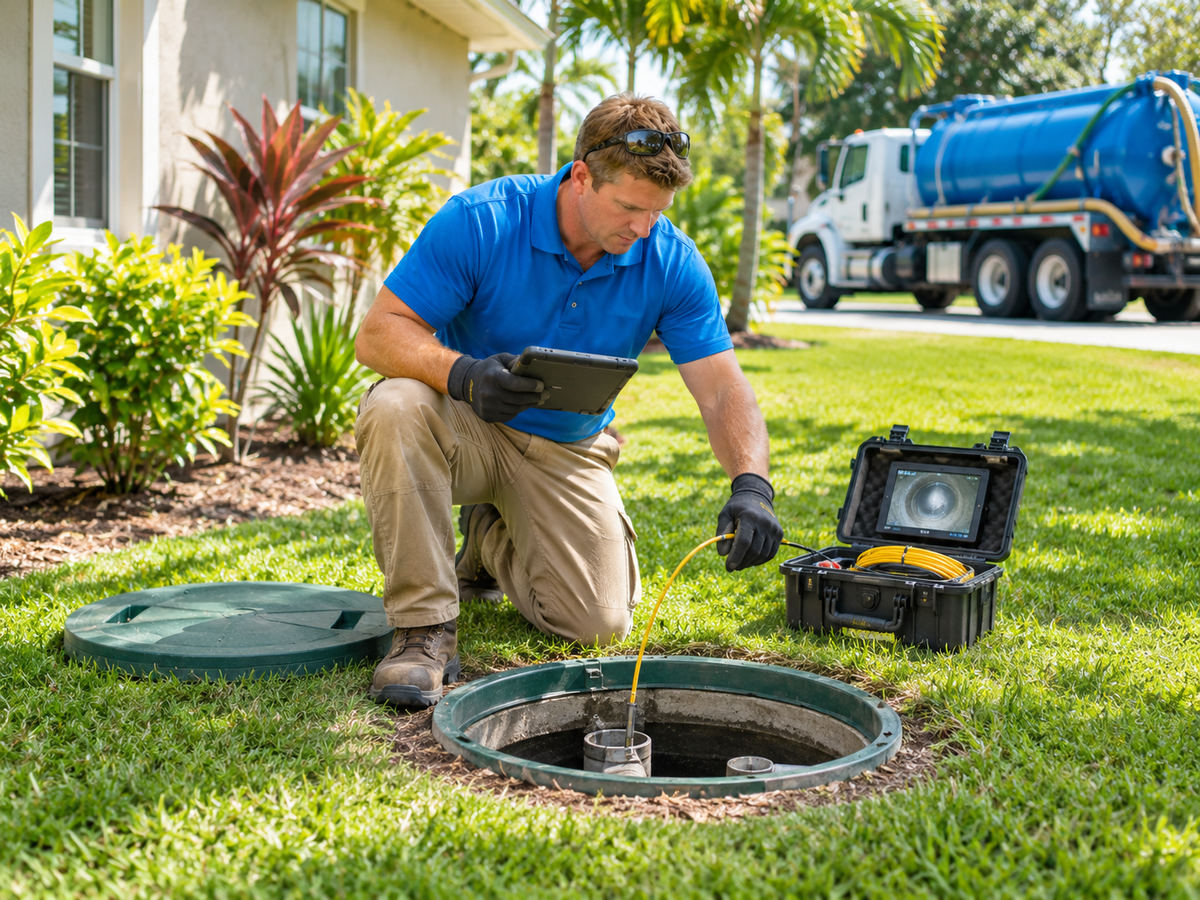
Does Your Septic Tank Need Pumping or Is Something Else Wrong?
Although the seven warning signs above can indicate that your septic system needs attention, it is important to understand that not every symptom can be resolved by simply pumping the tank.
A septic system includes several interconnected components, including the tank, inlet and outlet piping, distribution components, and drain field. Some systems also contain pumps, filters, electrical controls, or additional treatment equipment.
Problems can occur in any of these areas.
For example, persistent slow drainage could result from an obstructed pipe, while standing water near a drain field may indicate unsuitable drainage conditions or system overloading.
A professional septic inspection can help identify the source of the problem, evaluate accumulated tank solids, and determine whether pumping or additional service is appropriate.
For properties using pumped wastewater systems, Dr. Poo also offers lift station pumping, inspections, maintenance, and repair services throughout Jacksonville and Northeast Florida.
Why Regular Septic Tank Pumping Matters in Northeast Florida
Jacksonville and its surrounding communities include a wide variety of residential properties, from established suburban neighborhoods to rural homes with larger lots and privately maintained wastewater systems.
Florida’s climate, seasonal rainfall, and local soil conditions make proper septic system care especially important.
Routine pumping is one of the most effective maintenance practices for conventional septic systems because it removes accumulated solids before they can interfere with normal wastewater treatment.
Benefits of maintaining an appropriate pumping schedule include:
- Reducing the risk of excessive sludge accumulation.
- Helping protect downstream septic system components.
- Lowering the likelihood of preventable wastewater backups.
- Supporting more consistent septic system performance.
- Providing opportunities to identify maintenance concerns.
- Helping homeowners plan maintenance expenses instead of reacting to emergencies.
Commercial properties may require more frequent service because of higher wastewater volumes and heavier usage.
Dr. Poo offers commercial septic pumping and maintenance services for businesses, property managers, multifamily properties, and commercial facilities throughout Northeast Florida.
How to Help Prevent Septic Problems Between Pumping Appointments
Professional septic pumping is essential, but everyday habits also influence the health of your wastewater system.
Jacksonville homeowners can take several practical steps to help maintain their septic systems between scheduled service appointments.
Be Mindful of Water Usage
Excessive water usage can place unnecessary stress on a septic system. Spread laundry loads throughout the week, repair leaking faucets and toilets, and avoid running several high-water-use appliances simultaneously when possible.
Only Flush Appropriate Materials
Toilets should be used for human waste and toilet paper. Products such as wipes, paper towels, feminine hygiene products, and other materials can contribute to blockages and interfere with wastewater treatment.
Even products marketed as flushable may not break down appropriately in septic systems.
Keep Grease and Harmful Chemicals Out of Drains
Cooking grease, oils, paints, solvents, and other inappropriate substances should not be disposed of through household plumbing.
These materials can contribute to system problems or interfere with normal biological treatment processes.
Protect Your Septic Drain Field
Avoid parking vehicles, placing heavy equipment, or constructing permanent structures over your septic tank and drain field.
Keep large trees and plants with aggressive root systems away from septic components, and prevent excessive stormwater runoff from collecting over the drain field.
Keep Accurate Maintenance Records
Record the dates of pumping appointments, inspections, and other septic services. These records can help establish a maintenance schedule and provide useful information when selling or purchasing a home.
When purchasing a property with an existing septic system, consider scheduling an inspection to better understand its current condition and service history.
Professional Septic Tank Pumping Throughout Jacksonville and Northeast Florida
Dr. Poo Sanitation Solutions proudly provides professional septic services throughout Jacksonville and surrounding Northeast Florida counties.
Whether you live in an established Jacksonville neighborhood, a coastal community, or a rural area outside the city, our team can help with septic pumping, inspections, maintenance, repairs, and installation.
Explore our local septic service areas:
Jacksonville and Duval County
Our Jacksonville septic services support residential and commercial properties throughout Duval County, including established neighborhoods and growing residential communities.
We also provide septic services throughout Jacksonville Beach, Neptune Beach, and Atlantic Beach, addressing the wastewater maintenance needs of Northeast Florida’s coastal communities.
Clay County and Orange Park
Homeowners in Clay County can schedule professional septic services through our Clay County septic pumping and maintenance services, including communities such as Middleburg, Green Cove Springs, Keystone Heights, and surrounding rural areas.
We also offer dedicated septic tank pumping and inspections in Orange Park, FL, helping local homeowners maintain their residential wastewater systems.
St. Johns County and St. Augustine
Dr. Poo provides septic services throughout St. Johns County, including St. Johns, Fruit Cove, Nocatee, and surrounding communities.
Our team also serves homeowners and businesses needing septic pumping, inspections, and maintenance in St. Augustine, FL.
Nassau County and Amelia Island
From coastal residences to inland rural properties, our Fernandina Beach and Amelia Island septic services support property owners throughout northern Northeast Florida.
Baker County
Dr. Poo provides septic services in Baker County, including Macclenny, Glen St. Mary, Sanderson, and surrounding communities.
Bradford County
We also serve Bradford County through our Bradford County septic pumping and maintenance services, covering Starke, Lawtey, Hampton, Brooker, and nearby rural properties.
Visit our complete Northeast Florida septic service areas page to learn more about our coverage and find service information for your community.
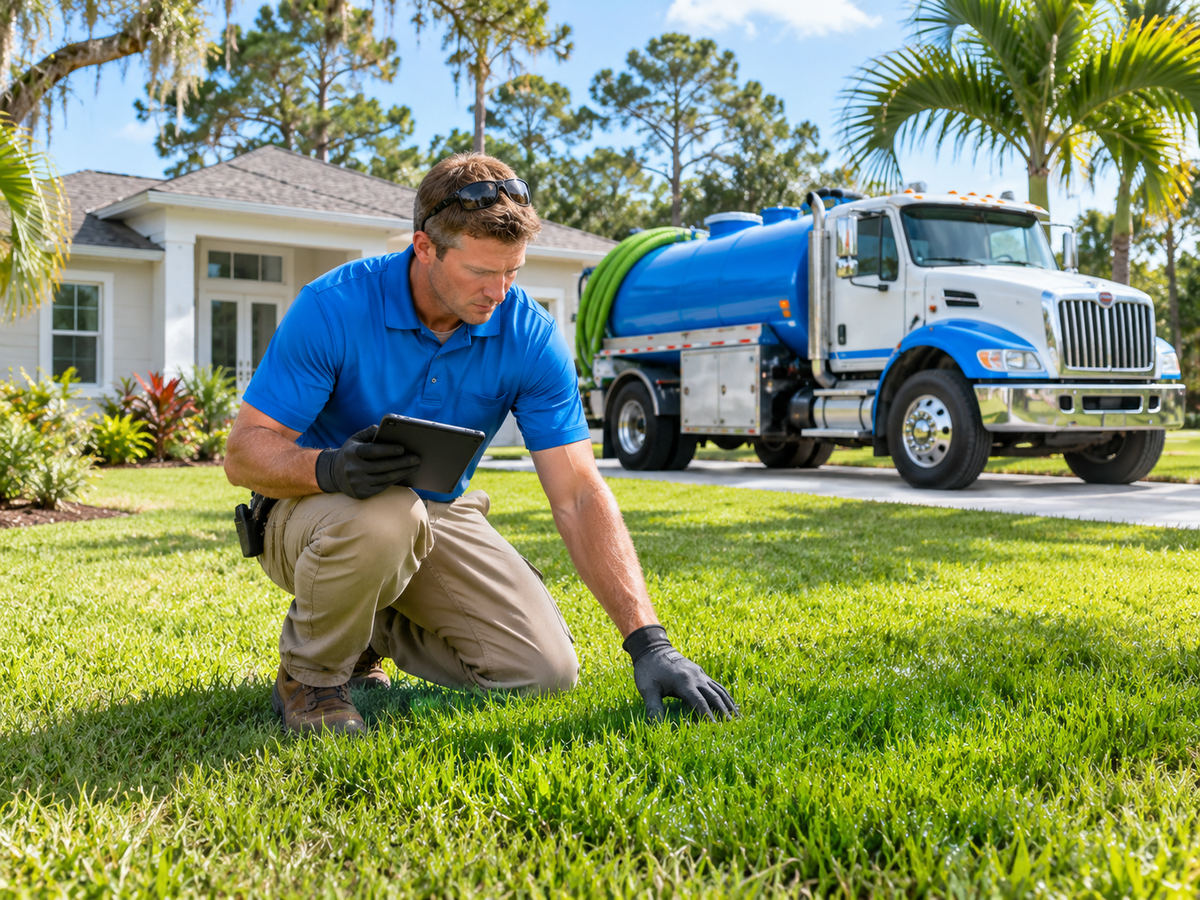
Frequently Asked Questions About Septic Tank Pumping in Jacksonville
How do I know if my septic tank is full?
Warning signs may include slow drains, gurgling plumbing, sewage odors, wastewater backups, or standing water near the septic system. However, septic tanks normally contain wastewater even when functioning correctly. A professional inspection can evaluate accumulated sludge and scum levels to determine whether pumping is necessary.
How often should a septic tank be pumped in Florida?
Most conventional residential septic tanks should generally be pumped every three to five years, depending on tank size, household occupancy, water usage, and other factors. Some systems require more frequent attention. Follow the recommendations of your septic professional and applicable system requirements.
Can heavy rain cause septic problems in Jacksonville?
Heavy rainfall and elevated groundwater can affect the ability of some drain fields to disperse wastewater. If your system develops drainage problems or standing water following significant rainfall, reduce water usage and consider a professional inspection.
Will septic tank pumping fix slow drains?
Pumping may help when excessive tank solids are contributing to a problem, but slow drains can also result from plumbing blockages, drain field issues, or other system conditions. A professional evaluation is necessary to determine the actual cause.
What happens if I wait too long to pump my septic tank?
Allowing excessive solids to accumulate can reduce effective tank capacity and increase the risk of solids entering downstream components. This may contribute to backups, drain field problems, and potentially expensive repairs.
How much does septic pumping cost in Jacksonville, FL?
Septic pumping costs depend on tank size, location, accessibility, system condition, and the work required. Contact Dr. Poo for current pricing and scheduling information for your property.
Schedule Professional Septic Tank Pumping with Dr. Poo Today
If you’ve noticed slow drains, unusual odors, gurgling plumbing, or other warning signs, don’t ignore the possibility of a septic system problem.
Regular maintenance and timely professional inspections can help protect your home, support dependable wastewater treatment, and reduce the likelihood of unexpected septic emergencies.
At Dr. Poo Sanitation Solutions, we’re proud to serve Jacksonville and Northeast Florida with experienced septic professionals, quality equipment, and dependable residential and commercial wastewater services.
Whether you’re due for routine septic pumping or need help investigating a potential septic problem, our team is ready to assist.
Septic problem? Call the Doc!
Contact Dr. Poo Sanitation Solutions today to schedule an inspection, request septic tank pumping, or discuss your wastewater service needs.
Phone: 904-727-0000
Email: info@trustdrpoo.com
Contact Dr. Poo to Schedule Septic Service in Jacksonville, FL