Reliable Lift Station Services in Northeast Florida
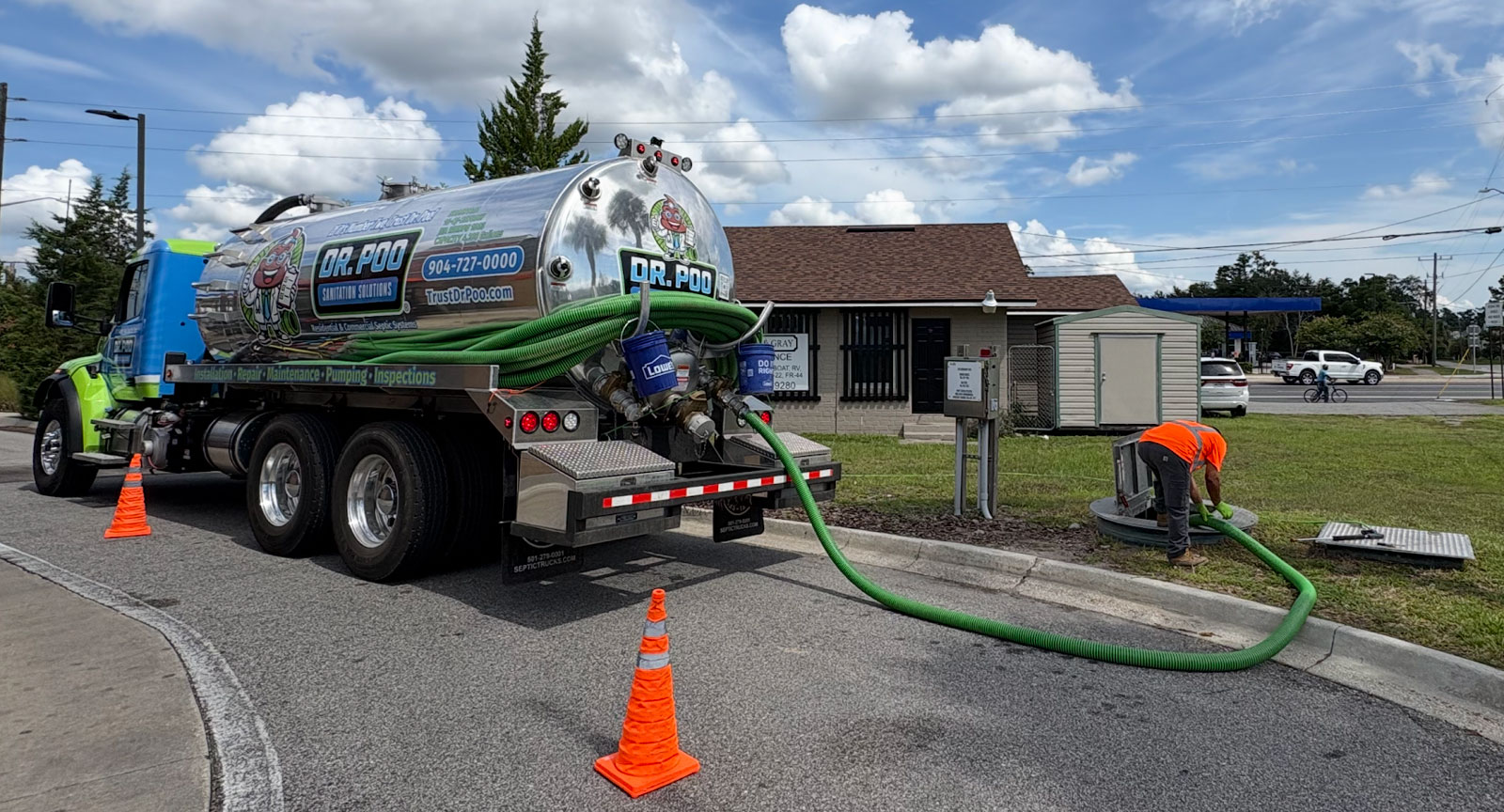
Lift Stations demand heavy-duty septic solutions — and Dr. Poo is built for the job. We provide expert lift station pumping, maintenance, inspections, and repairs for residential and commercial lift stations across Northeast Florida.
Downtime isn’t an option — that’s why we work efficiently, follow strict safety protocols, and ensure your system is operating at peak performance. When the job calls for industrial strength, Dr. Poo delivers.

A wastewater lift station performs an essential job when gravity cannot move wastewater from a property to its next destination. Pumps collect and move wastewater from a lower elevation to a higher one, allowing it to continue through the system. When a pump, float, alarm, control, or other component stops working properly, the result can be slow drainage, odors, backups, or an overflow.
Dr. Poo provides lift station services in Jacksonville, Florida, and communities throughout Northeast Florida. Our team performs lift station pumping, inspections, preventive maintenance, and repairs for commercial properties, HOAs, multifamily communities, managed properties, and residential systems.
Whether you are responding to an active alarm, planning routine maintenance, or taking responsibility for a lift station with an incomplete service history, Dr. Poo can help evaluate the system and determine an appropriate next step. Explore our complete range of septic and wastewater services in Northeast Florida or contact us to discuss your lift station.
How Does a Wastewater Lift Station Work?
A lift station receives wastewater in an underground holding area called a wet well. As the wastewater reaches a predetermined level, a float or level-control system signals one or more pumps to turn on. The pumps then move the wastewater through a pressurized discharge pipe so it can continue to a septic treatment component, gravity sewer, or another point in the wastewater system.
Although systems vary, common lift station components can include:
- A wet well that temporarily receives wastewater
- One or more sewage or effluent pumps
- Floats or other level-sensing equipment
- A control panel that manages pump operation
- Audible and visual high-water alarms
- Discharge piping, check valves, and shutoff valves
- Electrical connections and backup provisions
These components work together automatically. Because the system depends on mechanical and electrical equipment, lift stations require more frequent attention than a completely gravity-based wastewater system. Regular service can help identify buildup, damaged components, abnormal pump operation, and alarm problems before they lead to a larger disruption.
Lift Station Pumping and Wet-Well Cleaning
Solids, grease, debris, and other material can accumulate inside a lift station wet well over time. Excessive buildup may contribute to odors, interfere with floats, restrict pump operation, or reduce the available working volume inside the wet well.
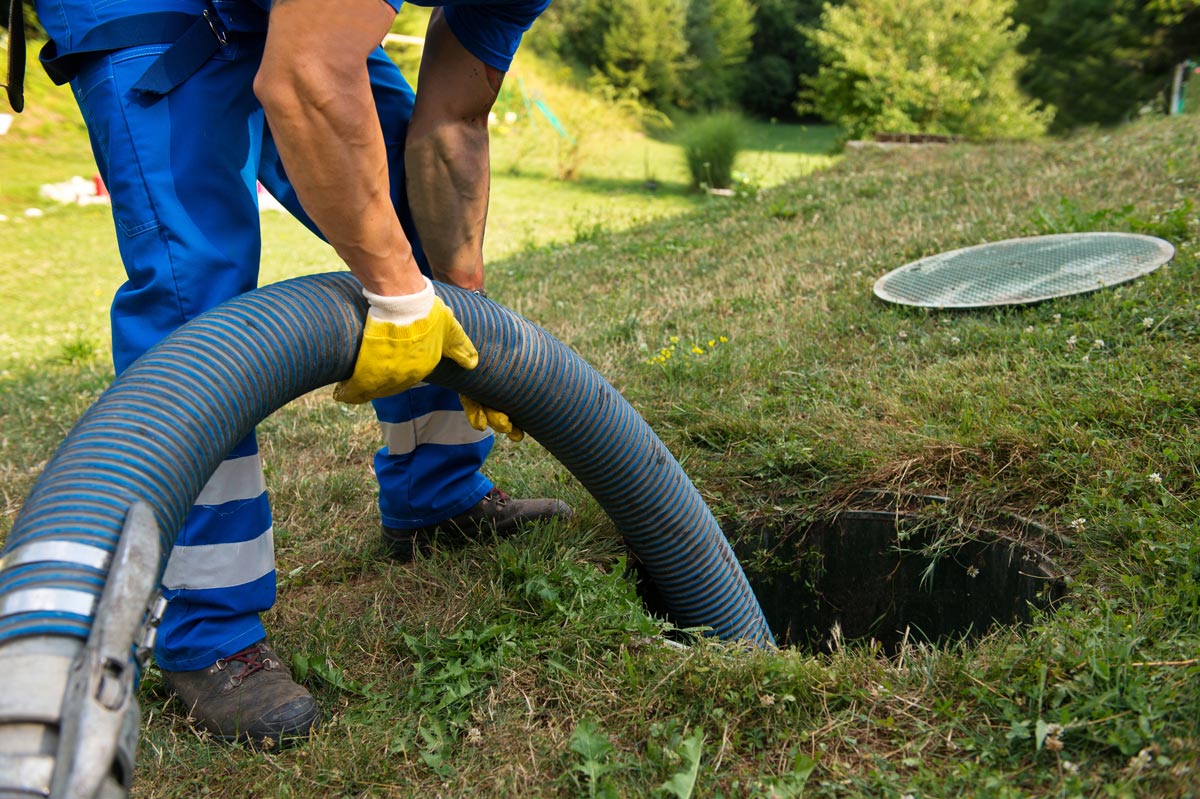
Lift station pumping removes accumulated wastewater and material so the wet well and accessible components can be serviced more effectively. Depending on the system and its condition, the visit may also include cleaning accessible surfaces and removing debris that could interfere with normal operation.
The appropriate pumping frequency depends on system capacity, wastewater volume, property use, the material entering the system, and previous maintenance history. A high-use commercial property may require a different schedule than a smaller residential or community system. Dr. Poo can evaluate the station and help property owners or managers establish a maintenance plan based on actual operating conditions.
Lift Station Inspections
A professional inspection can provide a clearer understanding of how the lift station is operating and whether visible components need attention. Inspections are valuable when assuming management of a property, purchasing a facility, investigating repeated alarms, planning preventive maintenance, or reviewing a system with incomplete documentation.
Depending on the lift station and scope of service, an inspection may include evaluating accessible pumps, floats, alarms, controls, wet-well conditions, visible piping, valves, and general system operation. The objective is to identify abnormalities and explain recommended maintenance or repairs before an avoidable failure occurs.
Preventive Lift Station Maintenance
Preventive maintenance helps reduce the likelihood of backups, overflows, unexpected pump failures, and emergency shutdowns. Instead of waiting for an alarm or complaint, a planned service schedule allows the lift station to be checked and cleaned according to the demands placed on it.
A maintenance plan may account for:
- Wet-well capacity and wastewater volume
- Residential, commercial, or community use
- Seasonal changes in occupancy or demand
- The number, age, and condition of pumps
- Float and level-control operation
- Alarm and control-panel performance
- Previous buildup, clogs, or equipment failures
- Vehicle and equipment access to the station
Lift Station Pump and Component Repairs
A lift station problem does not always require replacing the entire system. Depending on the diagnosis, service may involve repairing or replacing a pump, float, alarm component, valve, control, or another affected part. Pumping and cleaning may also be necessary before the component can be accessed or evaluated safely.
Dr. Poo provides lift station repair services for residential and commercial properties across Northeast Florida. Our team evaluates the symptoms, inspects accessible components, and explains the recommended work based on the system’s condition.
For major repairs or replacement projects, financing may help make an unexpected wastewater expense more manageable. Visit our septic and wastewater service financing page to learn about available options.
Signs Your Lift Station Needs Service
Lift station warning signs should be addressed promptly. Contact a professional if you notice:
- An audible or visual high-water alarm
- Wastewater backing up into plumbing fixtures
- Slow drainage affecting multiple areas
- Persistent sewage or wastewater odors
- A pump running continuously or cycling unusually often
- A pump that does not appear to activate
- Standing water or wastewater near the station
- Unusual sounds from the pump or control equipment
- Repeated breaker trips or power-related problems
Do not silence or reset an alarm repeatedly without investigating the cause. An alarm generally indicates that the wastewater level is higher than normal or that the system has detected another operating problem. Reduce water use where practical, keep people away from the affected area, and arrange professional service.
Lift stations and wet wells can contain dangerous gases, electrical hazards, moving equipment, and confined spaces. Property owners, employees, and residents should never enter a wet well or attempt repairs without proper training and equipment.
Commercial, HOA, and Multifamily Lift Stations
A failed lift station at a business, apartment community, HOA, or managed facility can affect many people at once. Wastewater problems may disrupt operations, inconvenience residents, create sanitation concerns, and require immediate coordination among property managers, maintenance teams, owners, and service providers.
Dr. Poo provides scalable lift station support for commercial and community properties. Our broader commercial septic services also include septic pumping, inspections, maintenance, repairs, and system installation for businesses and managed properties.
Residential Lift Station Services
Some homes use a lift station, pump tank, or other mechanically assisted system because the property layout does not allow wastewater to move entirely by gravity. These systems may be smaller than commercial stations, but their pumps, floats, and alarms still require professional attention.
Homeowners should know where the lift station and alarm panel are located, keep the area accessible, and avoid landscaping or parking in a way that blocks service. If the alarm activates, reduce household water use and call for assistance. Learn more about Dr. Poo’s complete residential septic services in Jacksonville.
Lift Station Service Across Northeast Florida
Dr. Poo serves lift stations across Duval, St. Johns, Clay, Nassau, Baker, and Bradford counties. Our coverage includes Jacksonville, Atlantic Beach, Jacksonville Beach, Neptune Beach, Orange Park, Fleming Island, Middleburg, Green Cove Springs, Ponte Vedra Beach, Nocatee, St. Johns, St. Augustine, Fernandina Beach, Yulee, Macclenny, Starke, and surrounding communities.
Visit our complete Northeast Florida septic and lift station service areas to find your city or ZIP code. If the property is not listed, contact us to confirm availability.
Why Choose Dr. Poo for Lift Station Service?
Formerly ZHL Septic Services, Dr. Poo is a family-owned, fully licensed and insured septic company with decades of experience serving Northeast Florida. We combine heavy-duty equipment and practical wastewater knowledge with clear communication and respect for the properties we serve.
Customers choose Dr. Poo for:
- Residential and commercial lift station experience
- Pumping, inspections, maintenance, and repairs
- Heavy-duty equipment for demanding wastewater systems
- Clear communication with owners and property managers
- Clean, careful work around active properties
- Local service throughout Jacksonville and Northeast Florida
Lift Station Service FAQs
What should I do when the lift station alarm activates?
Reduce wastewater use where practical and contact a qualified service provider. Do not repeatedly reset or silence the alarm without determining why it activated. Keep people away from the wet well and any area where wastewater may be surfacing.
How often should a lift station be pumped or inspected?
The correct schedule depends on the system’s design, wet-well capacity, wastewater volume, property use, equipment, and maintenance history. A professional evaluation can help establish an appropriate pumping and inspection plan for the specific station.
What causes lift station pumps and floats to fail?
Common contributing factors can include grease, solids, wipes, debris, corrosion, electrical problems, normal wear, damaged components, or unsuitable material entering the system. Regular inspection and cleaning can help identify some of these conditions before the station stops operating properly.
Do you service both residential and commercial lift stations?
Yes. Dr. Poo provides lift station pumping, inspection, maintenance, and repair for residential systems, businesses, HOAs, multifamily communities, and other managed properties throughout our Northeast Florida service area.
Schedule Lift Station Service
Whether you need routine wet-well pumping, a lift station inspection, preventive maintenance, pump service, or help responding to an alarm, Dr. Poo is ready to evaluate the system and recommend an appropriate solution.
Contact Dr. Poo to schedule lift station service or call 904-727-0000. We help keep Jacksonville and Northeast Florida flowing with clean, professional wastewater service.