

Septic Inspections in Jacksonville: What Home Buyers and Homeowners Need to Know
A septic system is one of the most important parts of a property, but much of it remains underground and out of sight. When the system appears to be working, homeowners may go years without thinking about the tank, drain field or maintenance history. A professional septic inspection can provide valuable information before a real estate purchase, when taking responsibility for an unfamiliar system or when warning signs begin to appear.
For Jacksonville home buyers, a septic-specific inspection can help reveal concerns that may not be covered in detail during a standard home inspection. For current homeowners, it can establish a clearer picture of system condition, maintenance needs and the next steps required to keep wastewater moving safely away from the home.
Dr. Poo provides professional residential septic services in Jacksonville and Northeast Florida, including pumping, inspections, maintenance, repairs and installation. This guide explains why septic inspections matter, what the process may include and when homeowners should schedule one.
What Is a Septic Inspection?
A septic inspection is an evaluation of accessible system components and visible operating conditions. Its purpose is to help identify signs of damage, deferred maintenance, improper operation or conditions that may require additional investigation.
The exact scope can vary based on the system, property, access and reason for the inspection. A residential system may include a septic tank, inlet and outlet components, access lids, filters, distribution equipment and a drain field. Some properties may also have pumps, alarms or other mechanical components.
An inspection provides information about conditions observed at the time of service. It can help a buyer or homeowner make a more informed decision, but it should not be treated as a guarantee that no future problem will develop. Septic systems operate underground, and some components may not be fully visible or accessible without additional work.
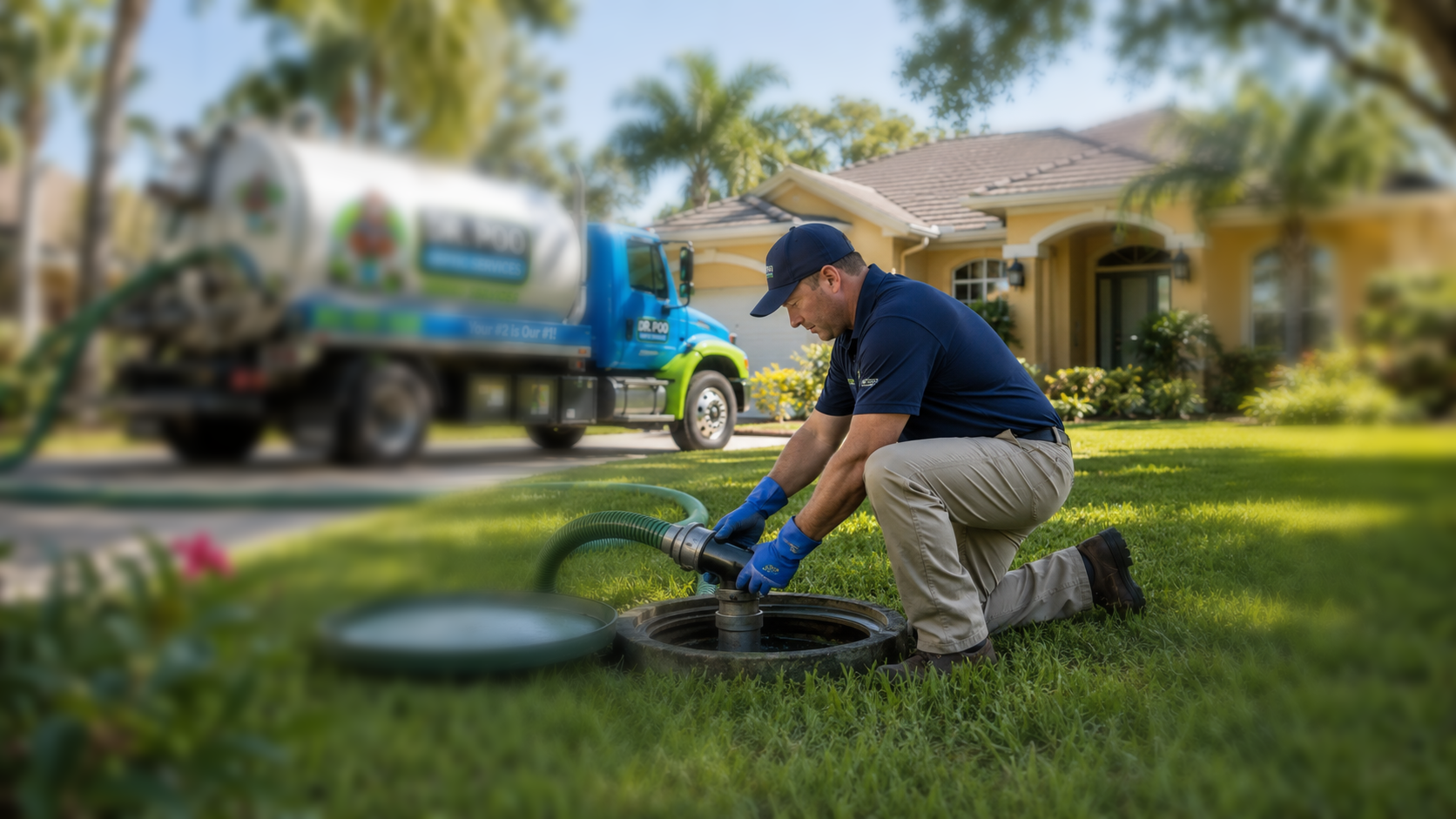
Why Home Buyers Should Schedule a Septic Inspection
Buying a home with a septic system means accepting responsibility for equipment that can be expensive to repair or replace. A property may look well maintained while still having an unknown pumping history, damaged components or a drain field showing early signs of trouble.
A general home inspection does not always provide the same level of septic-specific evaluation. Home buyers should confirm exactly what their inspector will assess and whether a separate septic professional is needed. Scheduling the septic inspection before closing may provide time to review the findings, ask questions and understand whether immediate service or future budgeting may be necessary.
A septic inspection can be particularly valuable when:
- The seller cannot provide maintenance or pumping records.
- The system’s age or installation history is unknown.
- The property has been vacant or lightly occupied.
- The home has experienced additions or major renovations.
- There are odors, slow drains or wet areas in the yard.
- The buyer plans to increase household occupancy.
- The home uses a pump, alarm or other mechanical equipment.
Buyers should schedule the inspection early enough to receive and review the results within the deadlines of their purchase agreement. Real estate agents, sellers and septic professionals may need to coordinate access to the property and system.
Why Current Homeowners May Need an Inspection
Septic inspections are not limited to real estate transactions. Current homeowners may request an inspection after moving into a property with an unknown service history, before planning an addition, or when plumbing behavior changes.
An inspection may also be helpful before a major gathering, extended period of heavy household use or landscaping project near the septic area. Locating the tank and drain field can help prevent vehicles, structures, pools, patios or deep-rooted plantings from being placed where they could damage the system or restrict service access.
Homeowners should consider an evaluation if they notice recurring slow drains, gurgling plumbing, sewage odors, standing water, unusually green grass above the drain field or a backup inside the home. These symptoms do not always identify the exact cause, but they should not be ignored.
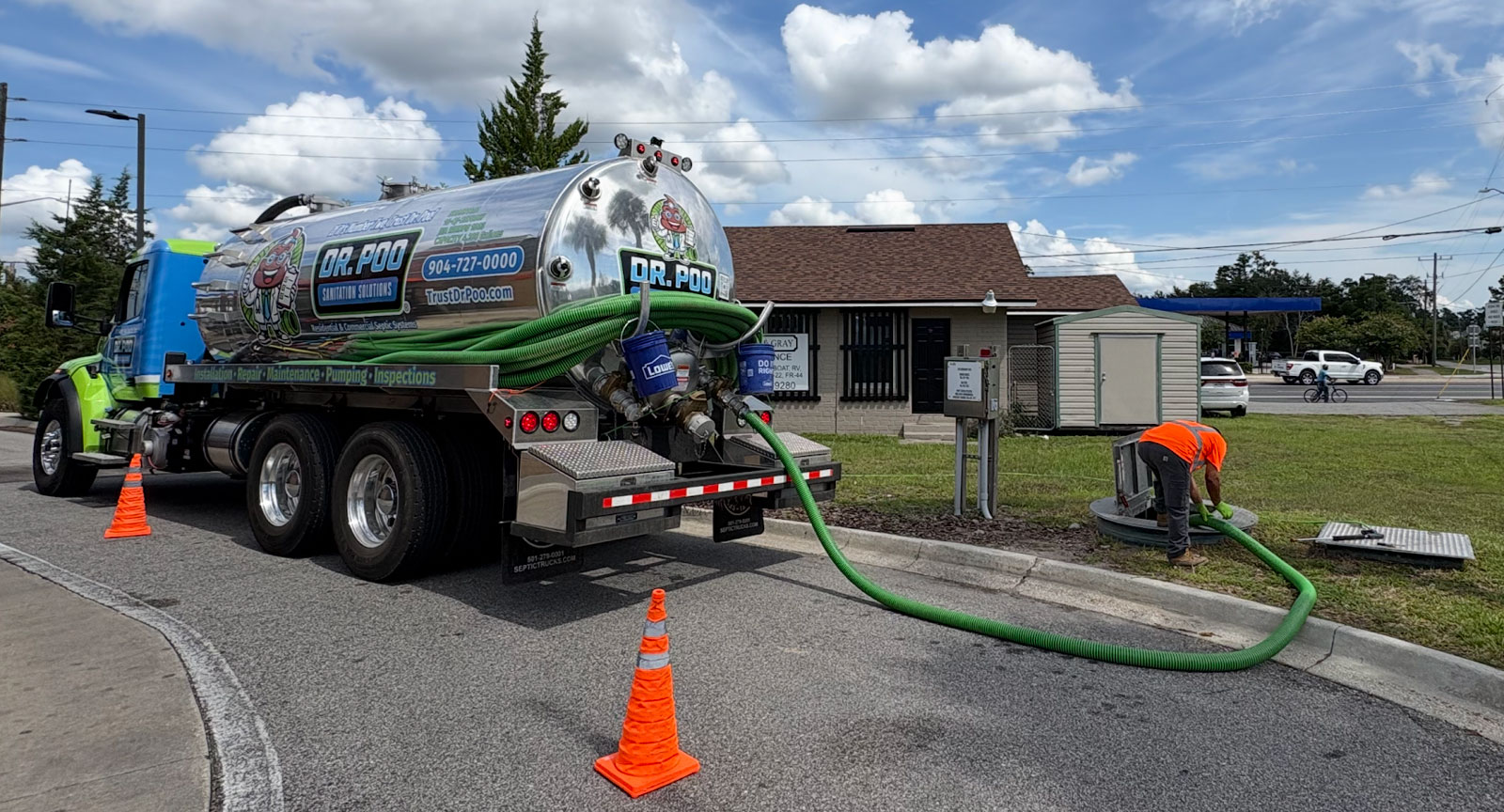
What May Be Included in a Septic Inspection?
The inspection process depends on the system design and agreed scope. Before scheduling, ask what components will be evaluated, whether the tank must be pumped and what documentation will be provided.
Reviewing Available Information
The technician may begin by discussing the property’s occupancy, known system age, recent service, previous repairs and any symptoms the owner has noticed. Maintenance records and information about the last pump-out can provide useful context.
Locating and Accessing the System
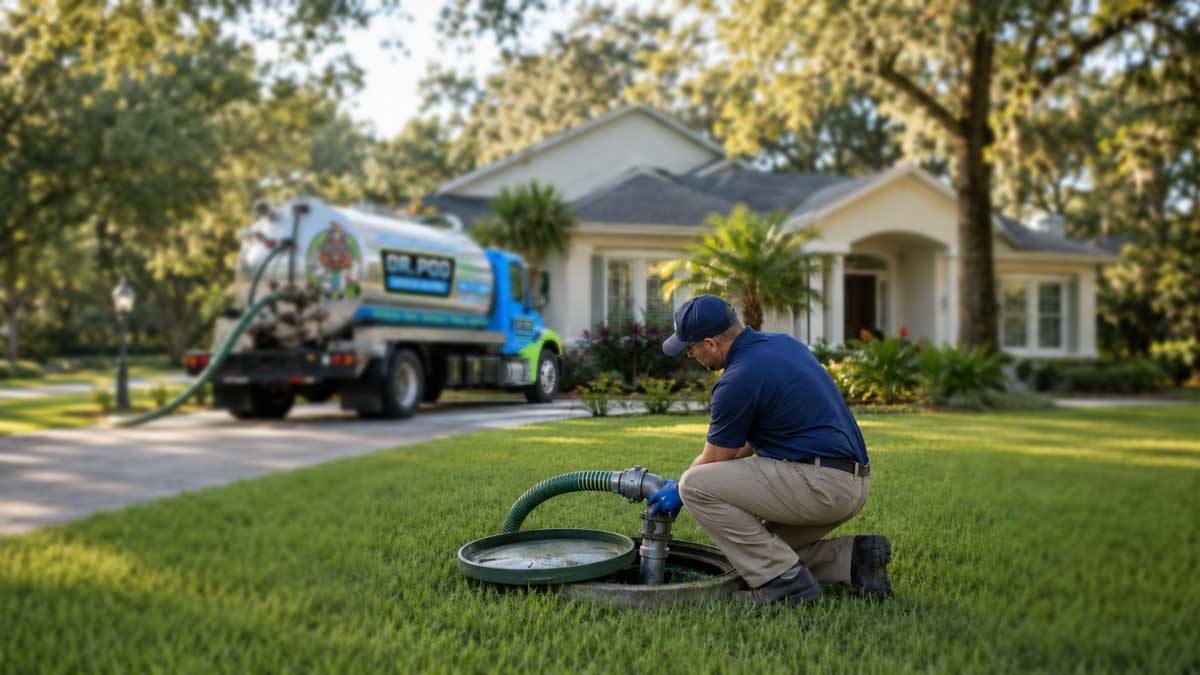
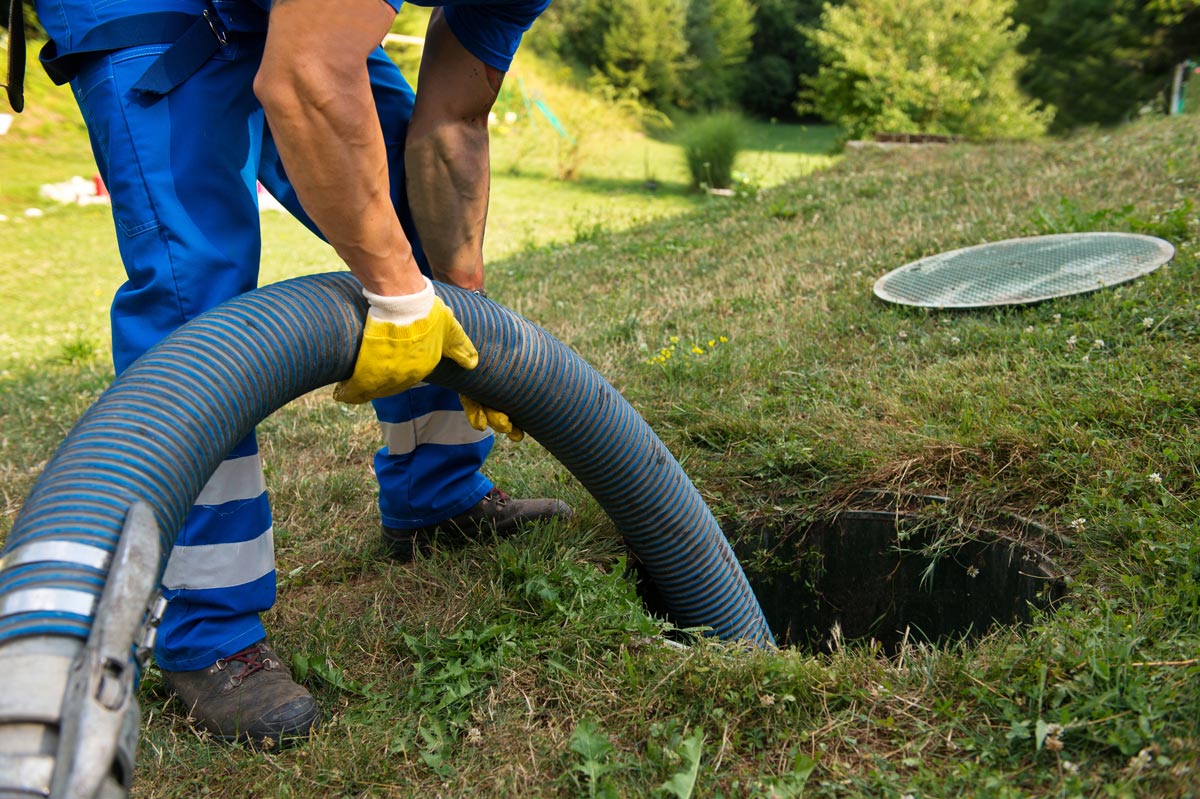
The tank and accessible components must be located before they can be evaluated. Existing risers can make routine access easier. If lids are buried, additional work may be required to expose them safely.
Evaluating the Septic Tank
Depending on access and inspection scope, the technician may look for visible cracks, deterioration, damaged lids, abnormal liquid levels or concerns involving inlet and outlet components. Accumulated solids may also indicate that pumping is due.
Checking Flow and Accessible Components
The technician may evaluate wastewater flow into the system and look for signs that sewage is not moving or dispersing normally. Filters, pumps, alarms and other accessible equipment may be checked when they are part of the system and included in the inspection.
Observing the Drain Field Area
The drain field is evaluated for visible warning signs such as standing water, sewage odors, unusually saturated soil or vegetation patterns that may suggest excess moisture. A visual inspection cannot reveal every underground condition, but it may identify reasons for further investigation.
Dr. Poo offers a complete range of septic services in Jacksonville for properties that need additional pumping, maintenance, repair or installation following an inspection.
Septic Inspection Versus Septic Tank Pumping
Inspection and pumping serve different purposes. An inspection evaluates visible conditions and accessible components. Pumping removes accumulated solids and liquids from the tank so the system can continue operating with adequate capacity.
Pumping may be recommended as part of the inspection process or as a separate maintenance service. It can also make certain tank conditions easier to observe. However, pumping by itself does not evaluate every part of the system, and an inspection does not automatically mean the tank has been emptied.
The appropriate pumping schedule depends on tank size, household occupancy, water use, garbage disposal use and system condition. Homeowners can learn more in our guide explaining how often to pump a septic tank in Jacksonville.

Questions to Ask Before Scheduling
Clear expectations make it easier to understand the inspection and use the findings. Before the appointment, consider asking:
- What system components are included in the inspection?
- Does the tank need to be pumped?
- Who is responsible for locating and exposing the lids?
- Will pumps, alarms or filters be evaluated?
- Will I receive written findings or other documentation?
- What access does the technician need?
- Should the seller or property owner provide maintenance records?
- How soon should the inspection be scheduled before closing?
Homeowners and buyers should also share any known symptoms or concerns in advance. Details about odors, backups, slow drains, alarm activity or wet areas can help the technician understand why the inspection was requested.
Residential, Commercial and Lift Station Inspections
Inspection needs vary by property type. A household system serves a different pattern of wastewater use than a restaurant, managed community, commercial facility or industrial site. Dr. Poo provides commercial septic services for businesses, communities and managed properties that require dependable inspection, pumping and maintenance.
Properties that rely on pumps to move wastewater may also require specialized attention. Routine lift station inspections and maintenance can help identify pump, alarm, float and accumulation concerns before they contribute to an overflow or service disruption.
For a broader overview, read about Dr. Poo’s residential, commercial and lift station solutions in Jacksonville.
Septic Inspections Across Northeast Florida
Dr. Poo serves Jacksonville and communities throughout Duval, St. Johns, Clay, Nassau, Baker and Bradford counties. Service areas include Jacksonville Beach, Atlantic Beach, Neptune Beach, Orange Park, Fleming Island, St. Johns, Nocatee, Ponte Vedra Beach, St. Augustine, Fernandina Beach, Yulee, Macclenny, Callahan, Middleburg and Starke.
Visit our Northeast Florida septic service area for the complete list of communities and ZIP codes. You can also read more about where Dr. Poo works and the septic services available across the region.
Schedule a Septic Inspection in Jacksonville
Whether you are buying a home, preparing to sell, taking responsibility for an unfamiliar system or investigating a possible problem, a professional septic inspection can provide information you need to plan the next step.
Dr. Poo is a licensed and insured, family-owned septic company serving Jacksonville and Northeast Florida. Learn more about Dr. Poo Sanitation Solutions, or schedule service to have your septic system evaluated by a local professional.