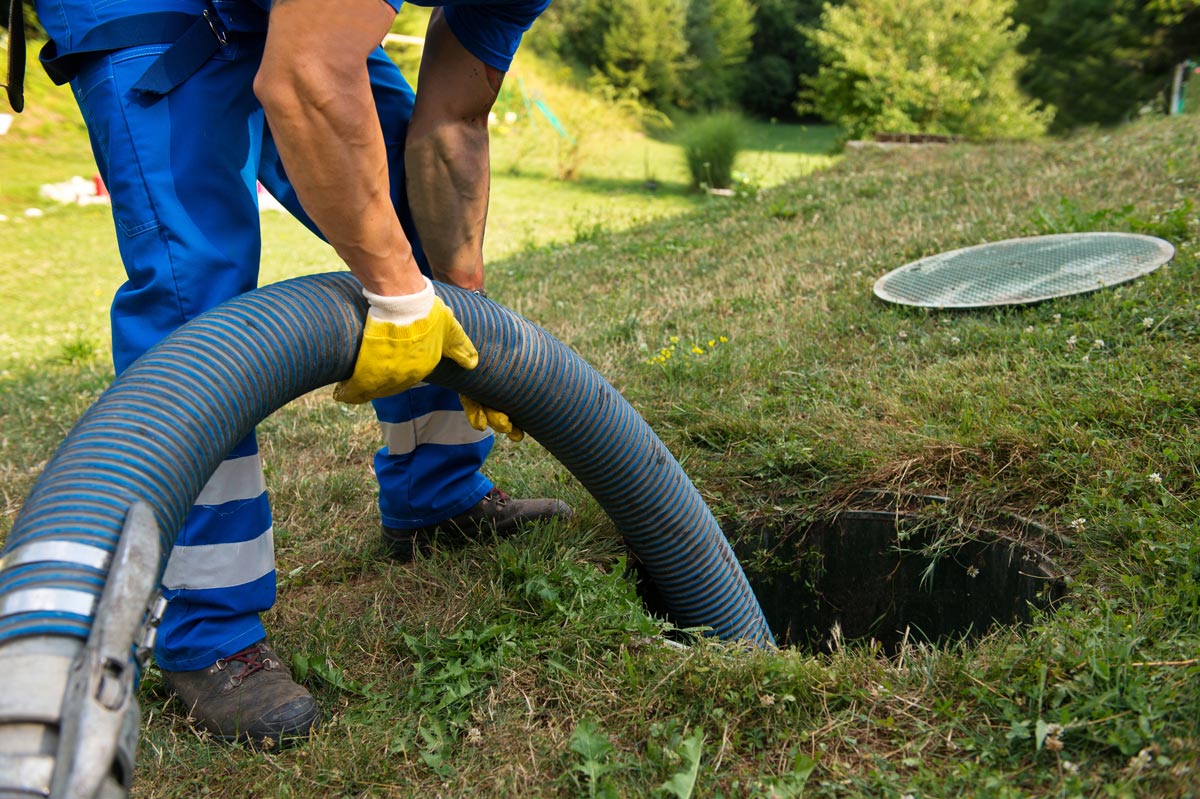



How Often Should You Pump Your Septic Tank in Jacksonville, Florida?
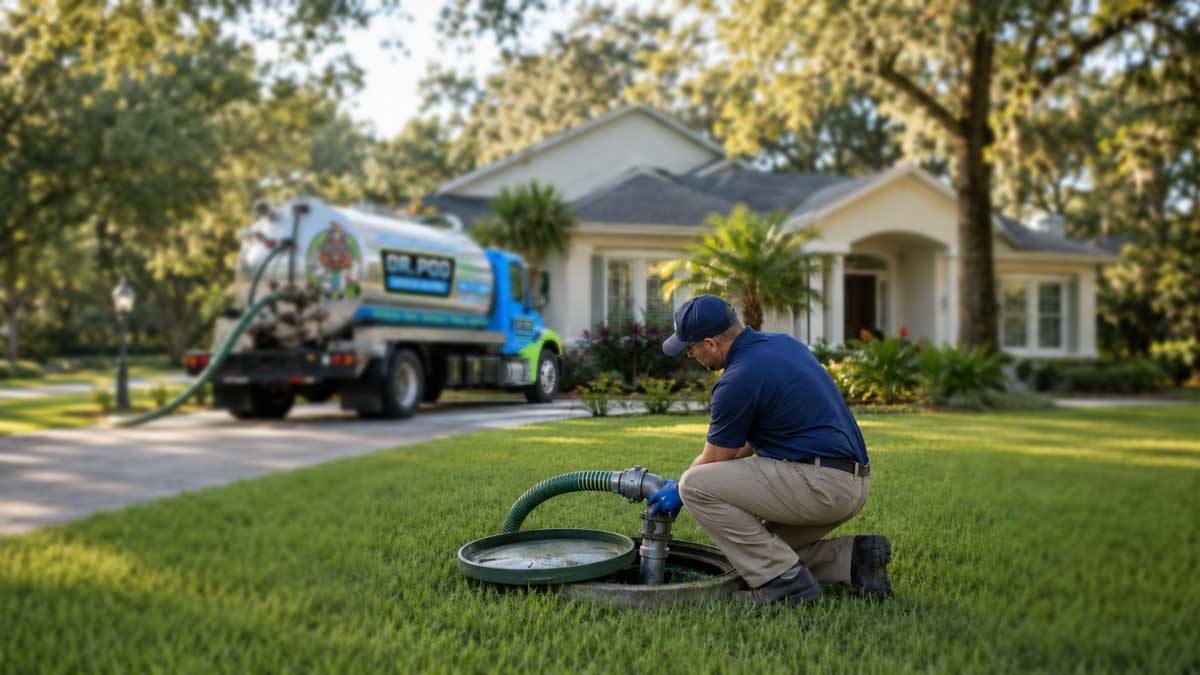
If your Jacksonville home relies on a septic system, routine pumping is one of the most important things you can do to prevent backups, unpleasant odors, drain field damage, and expensive repairs. However, many homeowners are unsure how frequently their tank should be pumped, especially when the system appears to be working normally.
Most household septic tanks should be pumped every three to five years. Your actual schedule may be shorter or longer depending on your household size, septic tank capacity, water usage, garbage disposal use, and the amount of solid waste entering the system.
Waiting until sewage begins backing up is never a good maintenance plan. Regular residential septic tank pumping helps protect your system, your property, and your budget. If you cannot remember the last time your tank was pumped, it is probably time to have the system evaluated.
How Often Should a Septic Tank Be Pumped?
The United States Environmental Protection Agency generally recommends having a household septic system inspected at least every three years and pumping the tank every three to five years. Some systems require more frequent service, particularly those with pumps, electrical components, float switches, or other mechanical equipment.
The three-to-five-year guideline is a useful starting point, but it is not a universal schedule. Two homes with tanks of the same size may need completely different pumping schedules based on how many people live in each home and how much wastewater they produce.
For example, a smaller household with a properly sized tank and conservative water use may be able to wait closer to five years between pump-outs. A large family, rental property, or household with heavy water use may need septic tank pumping every one to three years.
The safest approach is to have a septic professional inspect the system, evaluate the accumulated sludge and scum, and recommend a maintenance schedule based on the actual condition of your tank.
What Determines How Often Your Septic Tank Needs Pumping?
Your septic tank does not need pumping simply because a certain number of years have passed. It needs pumping when the accumulated solid material begins reducing the tank’s ability to separate and treat wastewater properly. Several factors determine how quickly that happens.
Household Size
The more people living in a home, the more wastewater and solid waste enter the septic system. A family of five will generally need more frequent pumping than a one-person or two-person household using a similarly sized tank.
Household changes can also affect your schedule. If additional family members move into the home, you begin hosting frequent guests, or the property becomes a rental, the system may require service sooner than it did in the past.
Septic Tank Size
Tank capacity is another major factor. Smaller tanks have less space for solids to accumulate and may need to be pumped more frequently. A larger tank can usually go longer between pump-outs when it is appropriately sized for the home and number of occupants.
If you do not know the size or location of your septic tank, a qualified septic company can help identify the system and assess its condition.
Household Water Usage
Every gallon of water that goes down a drain must be processed by the septic system. Excessive water use can move wastewater through the tank too quickly and place unnecessary pressure on the drain field.
Long showers, leaking toilets, dripping faucets, frequent laundry, and running several water-using appliances at once can increase the workload on your system. Spreading laundry throughout the week and repairing plumbing leaks can help your septic system operate more efficiently.
Garbage Disposal Use
A garbage disposal sends additional organic solids into the septic tank. Those solids can accumulate faster than ordinary wastewater and toilet waste, potentially shortening the time between pump-outs.
If your household uses a garbage disposal frequently, tell your septic service provider. That information can help determine whether your tank should be inspected or pumped more often.
What Goes Down Your Drains
A septic system is designed to handle wastewater, human waste, and septic-safe toilet paper. Wipes, paper towels, feminine hygiene products, grease, cooking oil, chemicals, and other inappropriate materials can interfere with the system or contribute to clogs.
Even products labeled “flushable” should generally be placed in the trash instead of flushed. They may not break down quickly enough inside the septic system.
Signs Your Septic Tank May Need to Be Pumped
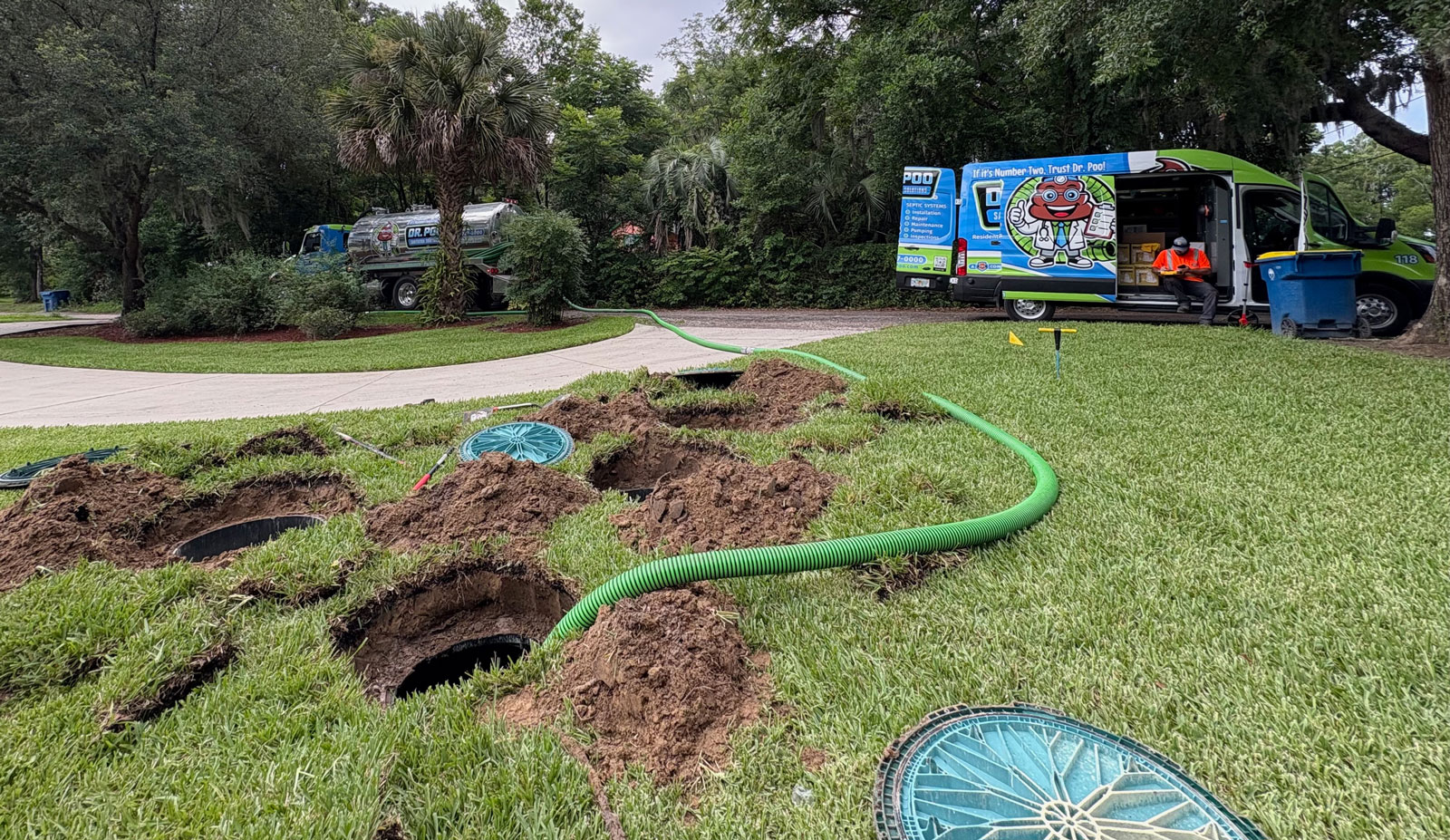
You should not wait for warning signs before scheduling routine septic tank pumping. However, certain symptoms can indicate that the tank is full or that another part of the system is having trouble.
- Multiple sinks, tubs, or showers are draining slowly
- Toilets are flushing slowly or clogging repeatedly
- You hear gurgling sounds from drains or plumbing fixtures
- Sewage is backing up into toilets, tubs, or showers
- You notice sewage odors inside or outside the home
- There is standing water or unusually damp soil near the tank or drain field
- The grass over the drain field appears unusually green, thick, or spongy
- It has been more than three to five years since the last pump-out
These symptoms do not always mean the tank only needs pumping. They can also indicate a clogged pipe, damaged component, pump problem, or failing drain field. A professional inspection is the best way to identify the actual cause.
If sewage is already backing up into your home, stop using water as much as possible and contact a septic professional promptly.
Why Regular Septic Pumping Matters
Inside a septic tank, wastewater separates into layers. Heavier solids settle to the bottom as sludge, while oils and lighter material collect near the top as scum. The liquid portion flows from the tank into the drain field for additional treatment in the soil.
Sludge and scum do not disappear completely. Over time, these layers accumulate and reduce the tank’s available working capacity. If too much solid material remains in the tank, it can move into the drain field and clog the soil that is responsible for accepting and treating wastewater.
A pump-out removes the accumulated material before it can cause more serious problems. Preventive septic maintenance can help:
- Reduce the risk of sewage backups
- Protect the drain field from excess solids
- Identify damaged or worn components earlier
- Improve the reliability of the septic system
- Extend the useful life of the tank and drain field
- Avoid more disruptive and expensive repairs
Pumping a septic tank is far less expensive and disruptive than replacing a damaged drain field or failed septic system.
Does Jacksonville’s Climate Affect Septic Systems?
Northeast Florida’s heavy rainfall, seasonal storms, and periods of saturated soil can create challenging conditions for septic drain fields. A drain field depends on surrounding soil to accept and treat wastewater. When that soil is already saturated, the system may have difficulty dispersing additional liquid.
Rainwater does not normally enter a properly sealed septic tank in large amounts, but saturated ground can reduce drain field performance and make an existing problem more noticeable. Homeowners should keep gutters, downspouts, and other stormwater drainage directed away from the septic tank and drain field whenever possible.
Never drive or park vehicles over the drain field. Heavy equipment can compact the soil or damage underground components. Trees and large shrubs should also be planted a safe distance away because invasive roots can interfere with pipes and other parts of the system.
How Much Does Septic Tank Pumping Cost in Jacksonville?
Septic pumping prices can vary based on location, accessibility, tank configuration, and the specific services required. Dr. Poo provides clear residential pump-out pricing throughout Jacksonville and surrounding Northeast Florida communities, without service fees, dispatch fees, or extra gallon charges for the listed service.
Current residential pump-out pricing begins at $395 for Metro Jacksonville. Location-specific prices are also published for Orange Park, Fleming Island, Green Cove Springs, Middleburg, Ponte Vedra, Nocatee, St. Augustine, Macclenny, Baldwin, Starke, Keystone Heights, and other communities.
Visit our transparent septic service pricing page to see the current price for your area and review available pumping, inspection, and pump-replacement services.
What Happens During a Septic Tank Pump-Out?
During a professional pump-out, the septic technician accesses the tank and removes the liquid waste, sludge, and floating solids using specialized pumping equipment. The technician may also observe the condition of accessible components and look for signs of damage, abnormal liquid levels, or other concerns.
Regular pumping also creates an opportunity to catch developing problems before they become emergencies. If the technician notices damaged baffles, signs of backflow, an unusual liquid level, or another potential issue, further inspection or repair may be recommended.
Keep a record of every septic service visit, including the date, services performed, and any recommendations. Accurate records make it easier to maintain a reliable pumping schedule and can be valuable when selling the property.
How to Help Your Septic System Last Longer
Septic maintenance does not end after the tank has been pumped. Daily habits can influence how efficiently the system operates and how quickly solids accumulate.
- Flush only human waste and septic-safe toilet paper
- Place wipes, grease, paper towels, and hygiene products in the trash
- Repair leaking faucets and toilets promptly
- Spread laundry loads throughout the week
- Avoid pouring harsh chemicals, paint, oil, or medications down drains
- Limit heavy garbage disposal use
- Keep vehicles and heavy equipment off the drain field
- Direct roof and surface drainage away from the system
- Maintain accurate pumping and inspection records
These steps cannot eliminate the need for pumping, but they can reduce unnecessary stress and help protect the tank and drain field.
Schedule Septic Tank Pumping in Jacksonville, Florida
If it has been three to five years since your last pump-out, you recently moved into a home without septic maintenance records, or you are noticing possible warning signs, schedule an evaluation before a small issue becomes a messy emergency.
Dr. Poo provides residential septic tank pumping, inspections, maintenance, and repairs throughout Jacksonville and Northeast Florida, including communities in Duval, St. Johns, Clay, Nassau, Baker, and Bradford counties. View our complete septic service area to confirm availability near you.
Our licensed and insured team delivers fast, clean, and reliable septic service with straightforward pricing and no unnecessary surprises. When your septic system needs attention, call the Doc.
Schedule your Jacksonville septic service online or call 904-727-0000 to speak with Dr. Poo.